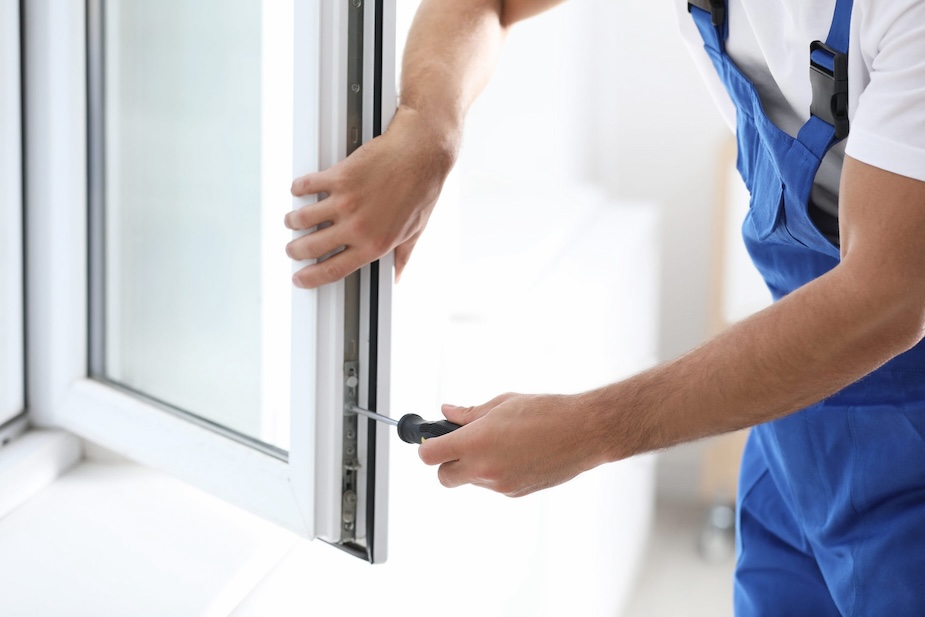
Understanding and Fixing a Broken Window Lock: A Comprehensive Guide
Windows are not simply openings in a wall; they are vital parts of a home's security and energy efficiency. A broken window lock can compromise both, making it necessary to resolve the problem immediately. This short article looks into the causes, signs, and services for a damaged window lock, offering a comprehensive guide for property owners and DIY enthusiasts.
Introduction to Window Locks
Window locks are systems developed to secure windows in a closed position, preventing unauthorized gain access to and boosting energy efficiency. They are available in various types, consisting of slide locks, cam locks, and multi-point locks. Each type serves a particular function and is ideal for various window designs, such as single-hung, double-hung, sash, and sliding windows.
Common Causes of a Broken Window Lock
- Wear and Tear: Over time, the constant usage of a window lock can result in use and tear. This is specifically true for older windows where the mechanisms may have broken down due to direct exposure to the elements.
- Corrosion: Moisture and humidity can cause metal parts of the lock to rust, causing tightness and eventual failure.
- Damage: Accidental damage, such as a strong impact or improper handling, can break the lock or its parts.
- Production Defects: In some cases, a lock might be malfunctioning from the start, resulting in early failure.
- Dirt and Debris: Accumulation of dirt, dust, and other particles can hinder the lock's operation, causing it to stick or fail.
Signs of a Broken Window Lock
- Failure to Lock: The most apparent symptom is the failure to lock the window. This can be due to a jammed mechanism, damaged parts, or misalignment.
- Sticking or Binding: If the lock feels stiff or requires extreme force to operate, it might be binding or stuck.
- Loose or Wobbly Handle: A loose or shaky deal with can show that the lock system is not firmly connected to the window frame.
- Noticeable Damage: Cracks, dents, or other noticeable damage to the lock or surrounding area can be a clear sign of an issue.
- Inconsistent Operation: If the lock works sometimes however not others, it might be periodically failing due to a loose part or debris.
Actions to Fix a Broken Window Lock
Determine the Problem
- Visual Inspection: Examine the lock and surrounding location for any visible damage or debris.
- Functional Test: Try to lock and unlock the window to figure out the nature of the concern.
Tidy the Lock
- Get rid of Debris: Use a soft brush or compressed air to remove any dirt or debris from the lock mechanism.
- Lubricate: Apply a lubricant, such as silicone spray or graphite powder, to the moving parts to reduce friction and enhance operation.
Change the Lock
- Examine Alignment: Ensure that the lock and strike plate are appropriately lined up. Misalignment can cause the lock to bind or fail to engage.
- Tighten Screws: If the handle is loose, tighten the screws protecting it to the window frame. This can often solve minor issues.
Replace the Lock
- Get Rid Of the Old Lock: If the lock is beyond repair, carefully eliminate it from the window frame. This might include loosening it or prying it out.
- Install the New Lock: Follow the maker's directions to install the new lock. Guarantee that it is securely secured and aligned properly.
Check the New Lock
- Operate the Lock: Test the brand-new lock by locking and opening the window a number of times to guarantee it works smoothly.
- Examine Security: Verify that the window is securely locked which there are no gaps or weaknesses.
FAQs
Q: Can I fix a broken window lock myself?A: Yes, lots of concerns with window locks can be resolved with basic DIY skills. Nevertheless, if the problem is intricate or you are not sure, it might be best to consult an expert.
Q: How frequently should I lube my window lock?A: It is recommended to lubricate the lock one or two times a year, especially if it is exposed to harsh climate condition. Regular upkeep can extend the life of the lock and avoid problems.
Q: What kind of lube should I utilize for a window lock?A: Silicone spray or graphite powder are exceptional choices for window locks. They supply a thin, non-sticky layer that lowers friction without drawing in dirt.
Q: Can a broken window lock impact my home's energy efficiency?A: Yes, a broken window lock can enable air to leakage around the window, decreasing energy effectiveness. Appropriately secured windows assist maintain a consistent indoor temperature and decrease energy costs.
Q: What should I do if the lock is rusted?A: Use a wire brush or steel wool to get rid of rust from the lock. Use a rust inhibitor and lube to prevent future corrosion.
A damaged window lock is a typical problem that can compromise the security and energy performance of your home. By understanding the causes, symptoms, and services, you can effectively deal with the problem and ensure your windows are safe and practical. quick lock repair and prompt repairs can assist prevent more major issues and extend the life of your windows. If you experience a particularly tough issue, do not be reluctant to look for professional assistance.